

Assistents by Ampcome vs UiPath: Why AI-Native Agents Are Replacing RPA in Enterprise Operations (2026)


If you are evaluating automation platforms in 2026, you are likely comparing two fundamentally different paradigms: AI-native agents that reason and adapt, and robotic process automation (RPA) bots that follow rigid scripts. Assistents by Ampcome and UiPath represent each of these paradigms at their most mature.
This guide breaks down exactly how they differ, where each wins, and what real enterprise deployments across manufacturing, logistics, retail, financial services, and energy actually look like — so you can make the right call for your operations.
The short answer: if your workflows are fixed, rule-based, and anchored to legacy screen interactions, UiPath remains a capable tool. If your enterprise needs contextual reasoning, voice AI, multi-system orchestration, and agents that adapt when processes deviate, Assistents by Ampcome is the modern choice.
The Core Difference: AI-Native Agents vs Rule-Based RPA
Before comparing features, it helps to understand the architectural divide.
RPA — the paradigm UiPath is built on — automates workflows by mimicking human screen interactions. It records clicks, keystrokes, and UI navigation, then replays them at scale. RPA works when processes are perfectly predictable and never deviate. The moment an interface changes, a field moves, or an exception arrives, the bot breaks and a human must intervene.
AI-native agents — the paradigm Assistents by Ampcome is built on — understand context, intent, and meaning. Instead of following a fixed script, an AI agent interprets inputs (text, voice, documents, structured data), reasons over them using a knowledge graph and large language models, decides what action to take, and executes across systems via APIs. When something unexpected happens, the agent handles it — not a human queue.
This distinction is not academic. According to G2's 2025 Enterprise AI Agents Report, 57% of companies already have AI agents running in production, and 78% plan to increase agent autonomy within the year. The market is not debating whether AI agents will replace legacy automation — it is debating how fast.
The practical consequence for enterprise teams is this: RPA was the right tool for 2015. Agentic AI is the right architecture for 2026.
What Enterprise Operations Actually Need in 2026
Enterprise automation requirements have changed significantly. The workflows that matter most to operations leaders today are not the simple, linear processes that RPA was designed for. They are complex, cross-system, exception-heavy, and judgment-intensive.
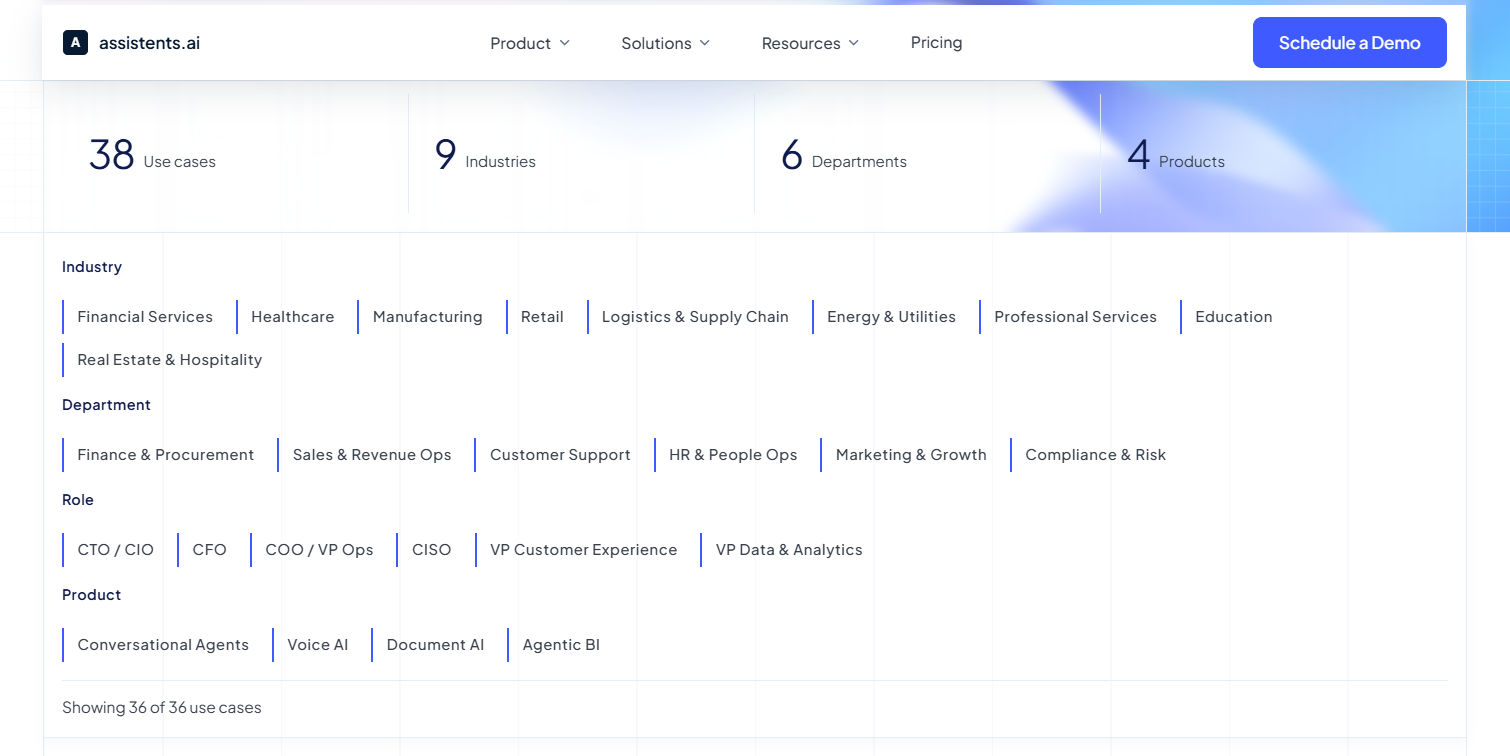
Consider what a modern enterprise operations team actually deals with:
A finance team needs to process invoices that arrive in different formats — PDF, email, portal upload — validate them against SAP purchase orders, flag mismatches, and route exceptions to the right approvers. An RPA bot handles the structured ones. Every exception lands on a human desk. An AI agent handles all of them, including the exceptions, by reasoning about the mismatch and applying business rules dynamically.
A supply chain team needs to monitor vendor performance, detect delivery anomalies, and alert procurement leadership — across multiple entities, currencies, and ERP systems — before margin erosion happens. An RPA bot cannot synthesise signals across unstructured and structured sources simultaneously. An AI agent can.
A retail operations team needs to support 700 store managers answering inventory queries, escalating issues, and accessing training documentation — in multiple languages, across chat and voice, at any hour. An RPA bot cannot hold a conversation. An AI agent does this natively.
These are not edge cases. These are the workflows that determine whether an enterprise operates efficiently or not. The platform that serves them best wins the evaluation.
Platform Comparison: Assistents by Ampcome vs UiPath
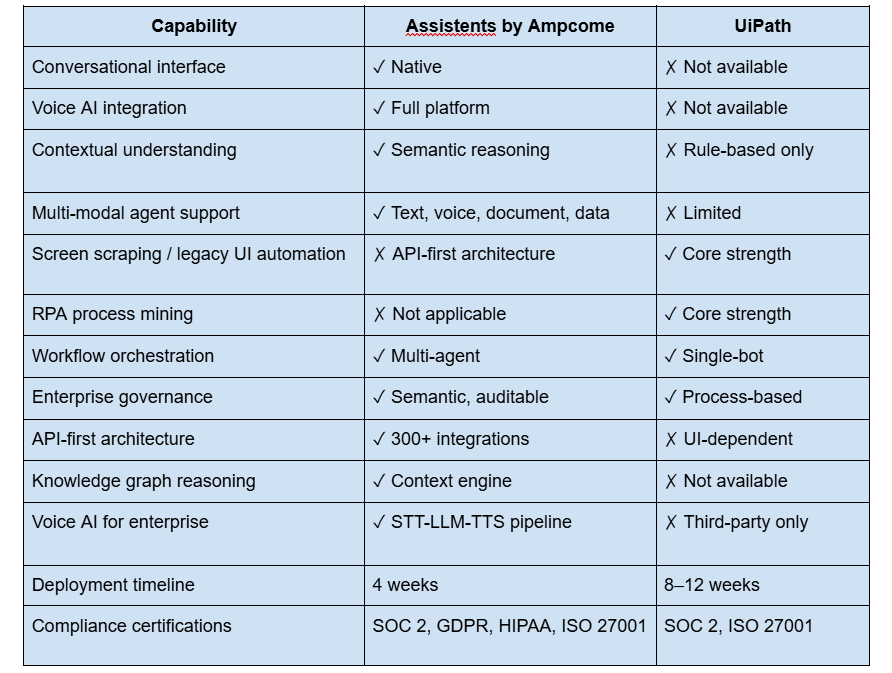
Here is a direct feature-by-feature breakdown of how both platforms compare across the capabilities that matter most to enterprise buyers.
Where Assistents by Ampcome Leads
AI-native reasoning over scripted bots. Assistents agents understand what is being asked, not just what button to click. This means they handle process variation, exception routing, and multi-step decision-making without human intervention. UiPath bots fail silently or loudly when a process deviates from the script — and in real enterprise environments, processes deviate constantly.
Voice AI as a first-class capability. Assistents ships a complete voice AI pipeline — speech-to-text, LLM reasoning, text-to-speech — that enables agents to interact through voice channels natively, in multiple languages. UiPath has no voice capability. Any voice integration requires third-party tools, custom middleware, and ongoing maintenance overhead.
300+ integrations via API. Assistents connects natively to SAP, Salesforce, ServiceNow, Oracle, Microsoft 365, and 295+ other enterprise systems through API-first architecture. There is no screen scraping, no UI fragility, no dependency on the visual layout of an application's interface.
Semantic governance layer. The Assistents context engine maintains a governed knowledge graph across structured and unstructured data — policies, SOPs, ERP records, transactional data — and ensures every agent action is traceable, auditable, and consistent with defined business rules. This is critical for regulated industries.
4-week deployment vs 8–12 weeks. Enterprise teams that have deployed both report that Assistents reaches production meaningfully faster. The API-first architecture eliminates the process mapping, screen recording, and bot scripting phases that extend UiPath timelines.
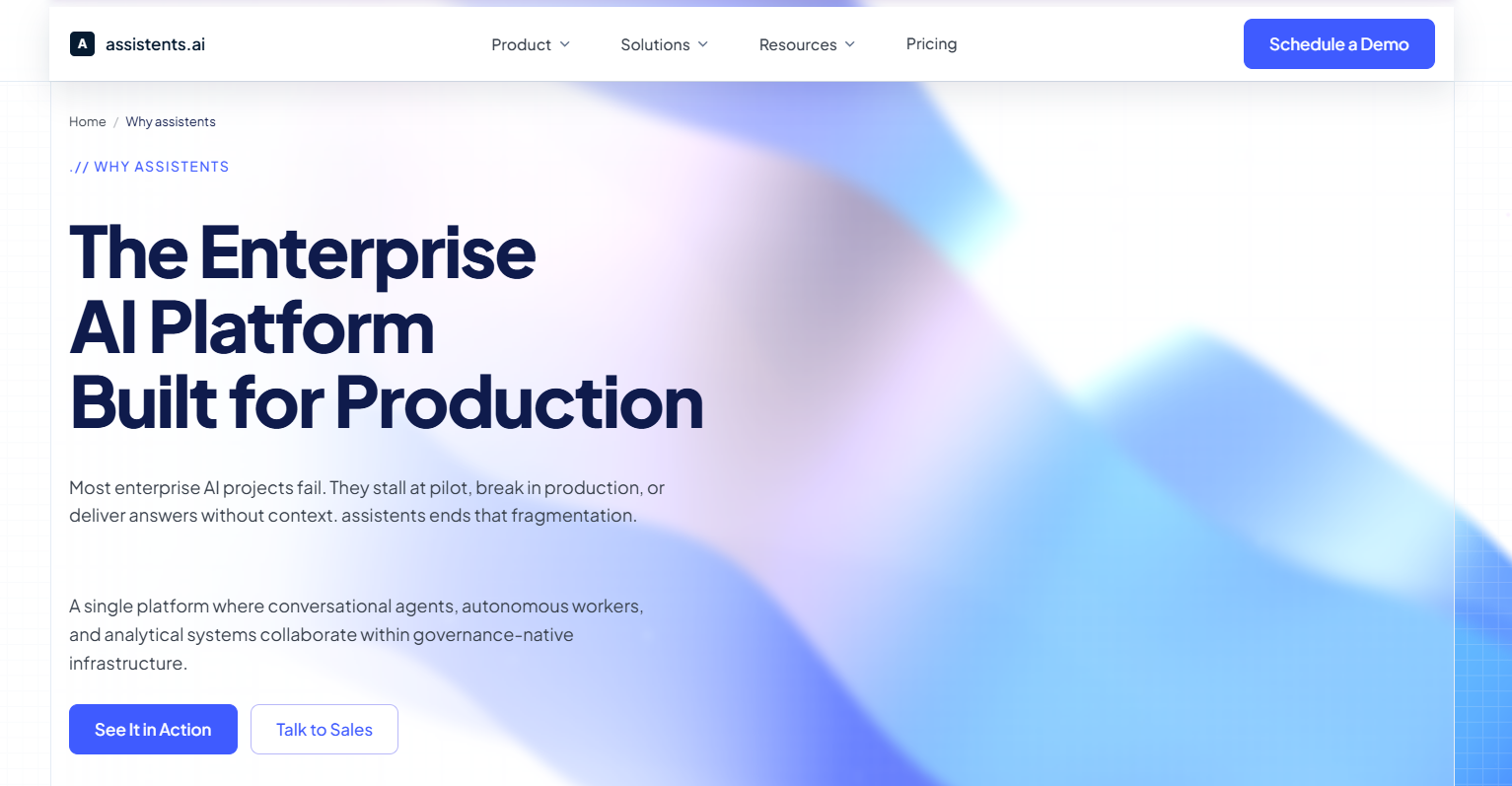
Where UiPath Leads
RPA maturity and ecosystem depth. UiPath has been building RPA tooling since 2005. Its process mining capabilities, pre-built connectors for legacy enterprise software, and developer ecosystem are genuinely mature. If your automation programme is built around RPA and you have significant legacy system dependencies that cannot be reached via API, UiPath's tooling is production-proven.
Screen scraping for legacy systems. If your organisation runs software that has no API — older ERP configurations, bespoke internal tools, terminal emulators — UiPath's UI automation handles these natively. Assistents is API-first; legacy screen interaction is not its design target.
The honest bottom line: if your organisation has hard legacy dependencies and your workflows are fixed and linear, UiPath is a reasonable incumbent. If your organisation is modernising — moving toward API-accessible systems, conversational interfaces, and cross-system AI reasoning — Assistents by Ampcome is the architecture you are moving toward, and deploying it now avoids a future migration cost.
Real Deployments: What Ampcome Has Built Across Industries
The most meaningful evidence for any automation platform comparison is not the feature table. It is what the platform actually delivered in production, at enterprise scale, across real operational workflows.
Ampcome has deployed Assistents across more than 35 enterprise clients spanning logistics, manufacturing, retail, financial services, energy, healthcare, real estate, and professional services — across India, the UAE, the UK, the US, and Australia. The following deployments are directly relevant to the RPA vs AI agents question, because each one represents a workflow that was previously manual, semi-automated, or RPA-dependent.
Manufacturing: Automated SAP Sales Order Creation
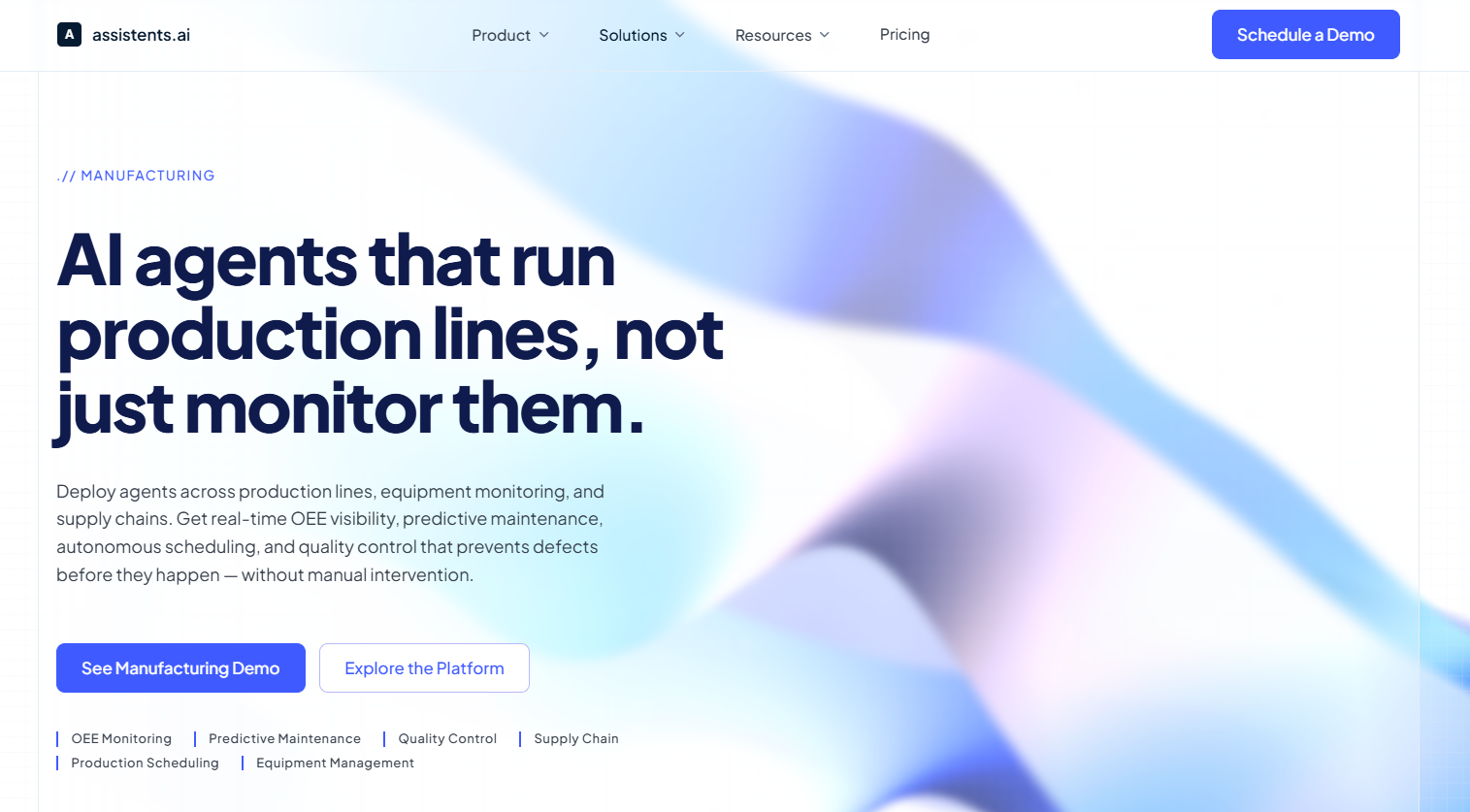
A large manufacturing organisation was running its sales order creation through a legacy document workflow platform nearing end-of-life, with high annual licensing costs and a manual process for interpreting order triggers and creating SAP sales orders. The workflow involved significant data entry, exception handling, and reconciliation effort from operations teams.
Ampcome deployed an agentic automation layer that interprets incoming order triggers from multiple sources, validates order data against business rules, and creates SAP sales orders automatically — with governed exception routing for approvals and a full audit log for every transaction. The system replaced the end-of-life platform entirely, eliminating the licensing dependency and the manual order entry workload.
Results: reduced manual order processing overhead, a faster order-to-confirm cycle with fewer data entry errors, full auditability for every sales order creation and exception, and a clean migration path away from the legacy system — all without screen scraping, UI fragility, or bot maintenance overhead.
This is a workflow that an RPA tool can partially automate for structured, predictable inputs. It cannot handle the exception reasoning, multi-source ingestion, or governance layer that an agentic approach delivers.
Logistics and Supply Chain: Multi-Entity Analytics and Operations
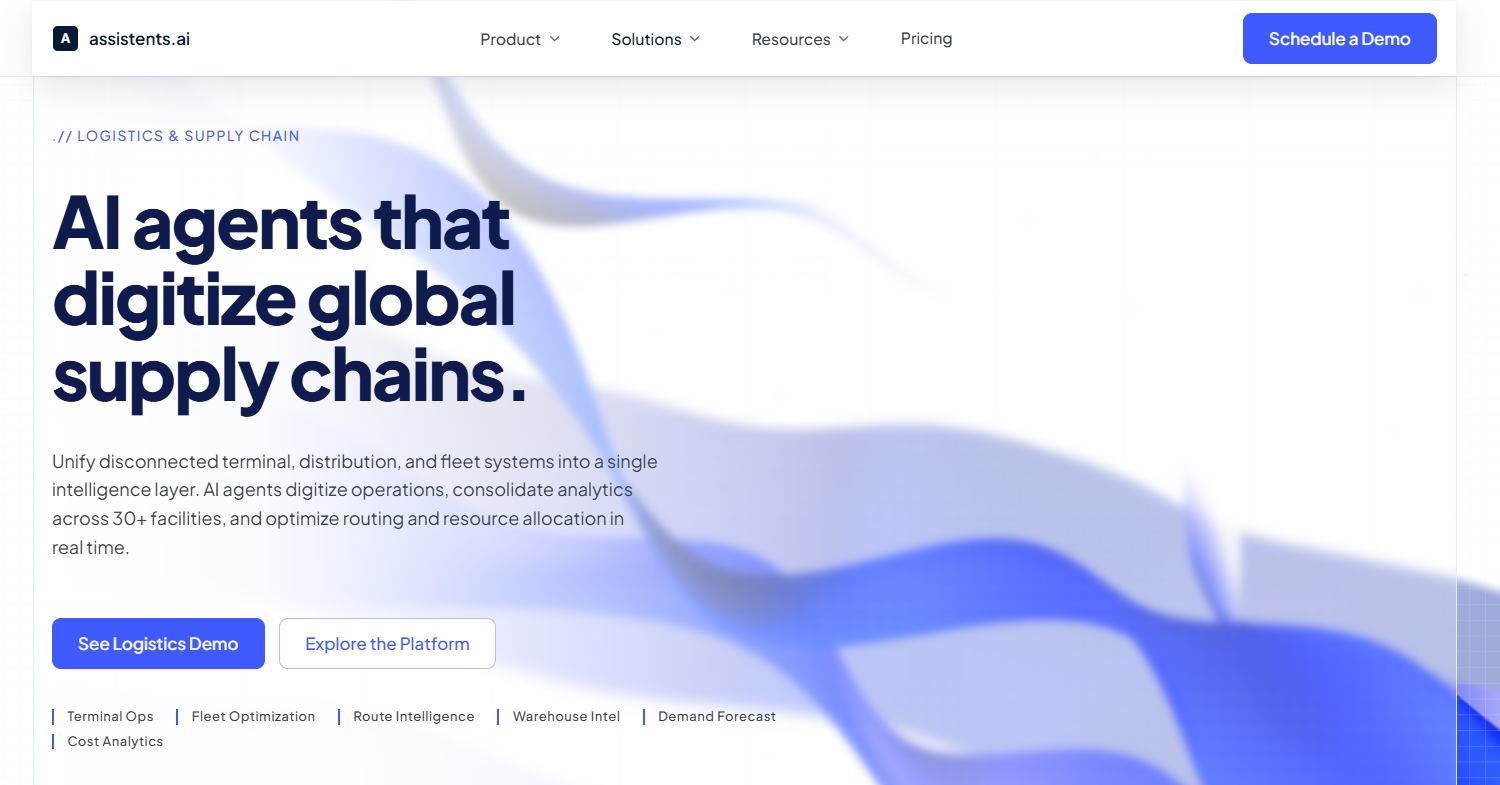
A multinational logistics and supply chain enterprise operating across India, the UK, Europe, and the United States needed a unified operational view across multiple business entities — each with different ERP configurations, KPI definitions, and reporting cadences. Leadership was operating with delayed, inconsistent reporting and no early-warning system for operational exceptions.
Ampcome consolidated analytics across the group's entities, standardised KPI definitions through a semantic governance layer, and built operational dashboards with automated variance explanations and exception alerting for leadership. The system delivers a single operational view across entities, with proactive alerts replacing reactive reporting cycles.
Results: faster leadership reporting and issue identification, improved consistency of operational metrics across entities, and a shift from manual reporting cycles to continuous, automated operational intelligence. The governance layer ensures that when a number appears on a dashboard, every stakeholder is looking at the same definition — a problem that RPA automation cannot solve, because it is a semantic problem, not a task automation problem.
Retail: Enterprise AI Agents at National Scale
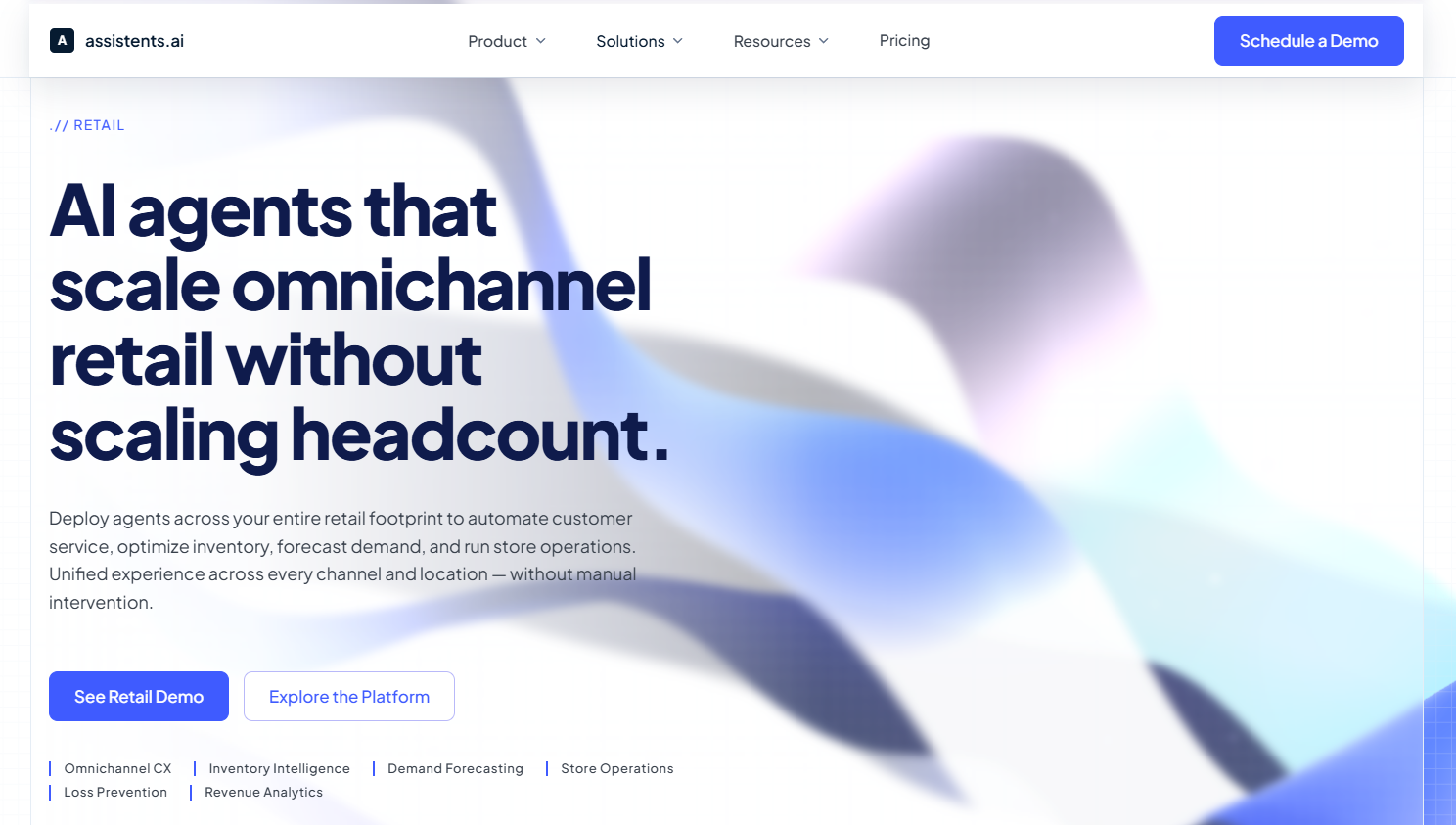
A rapidly scaling national retail chain operating more than 700 stores across hundreds of cities needed to reduce the manual helpdesk burden on store managers, improve inventory visibility at the store level, and deliver on-demand training and SOP access to store teams — across Hindi and English, at any hour, across chat interfaces.
Ampcome deployed a three-agent system: a voice support agent handling store queries via speech-to-text and text-to-speech pipelines in both languages; an inventory intelligence agent giving store managers real-time access to pricing, stock levels, and promotional data; and a knowledge and training agent built on retrieval-augmented generation over POS documentation, SOPs, and training materials. The system was integrated with the existing ticketing and analytics infrastructure.
Results: reduced manual helpdesk burden, improved store-level inventory visibility, faster onboarding through on-demand training guidance, and scalable support for store operations without adding headcount. A voice-enabled, multilingual, multi-agent system of this kind is not achievable with RPA tooling at any price point — it requires an AI-native architecture.
Financial Services: Omnichannel Banking Support Automation
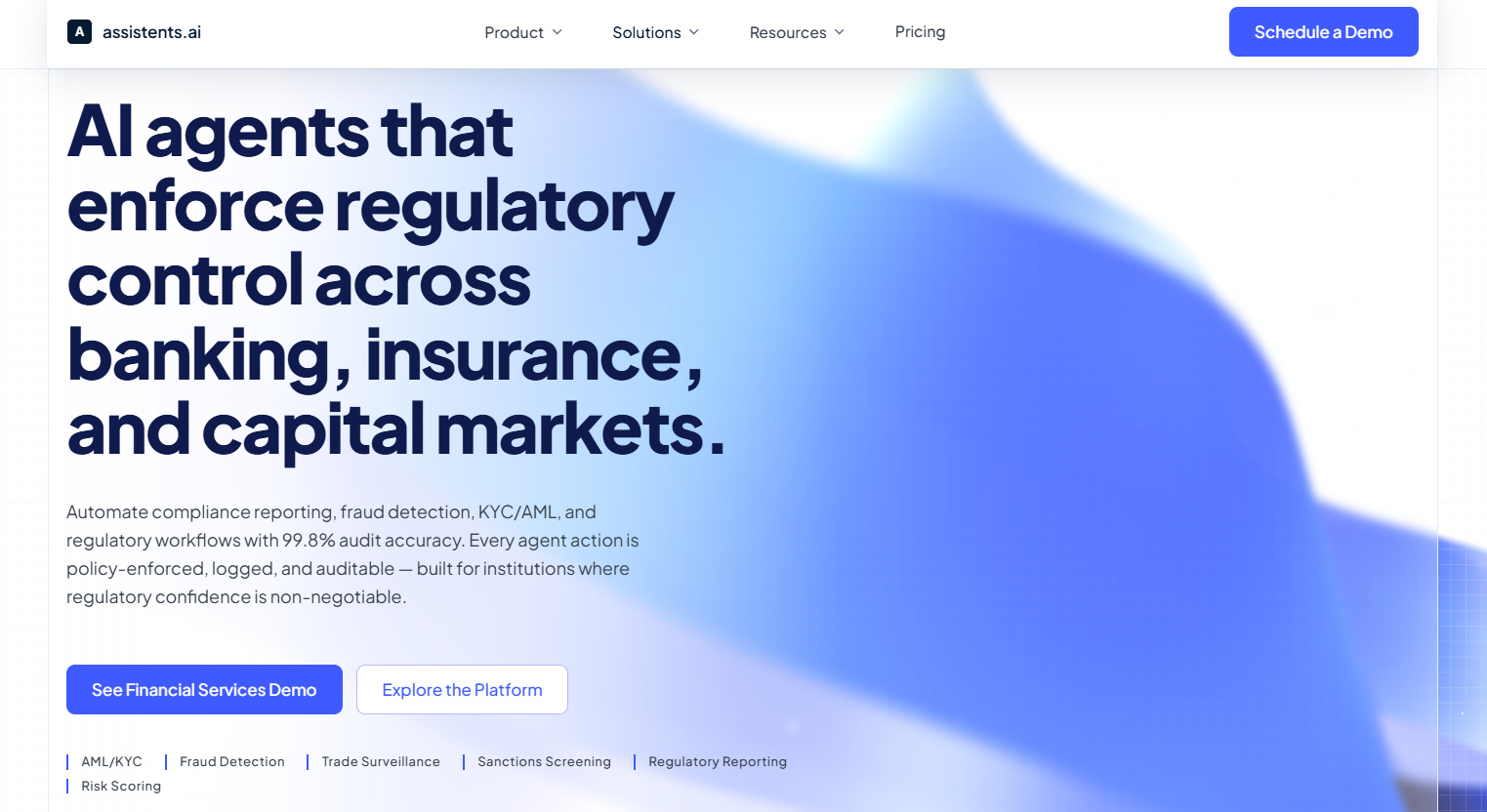
A global fintech provider delivering cloud-based automation for banks and credit unions needed to modernise its client-facing and internal support operations. The workflows involved omnichannel intake across chat, email, and phone channels; case routing and agent-assist summarisation; compliance-critical auditability; and integration with core banking systems.
Ampcome deployed an omnichannel AI agent system handling intake classification, workflow routing, agent-assist summaries for human operators, next-best-action recommendations, and SLA monitoring — with a full audit trail for every interaction. The system was designed to integrate with core banking infrastructure and meet the compliance and auditability standards required in regulated financial environments.
Results: faster case handling and improved consistency, reduced operational load through automation, and better compliance readiness through audit trails. In a regulated environment, the governance layer is not optional — it is the product. Assistents' semantic governance architecture delivers this natively; RPA tooling requires custom compliance wrappers built on top.
Energy and Utilities: Smart Grid Operations and Campus Energy Management
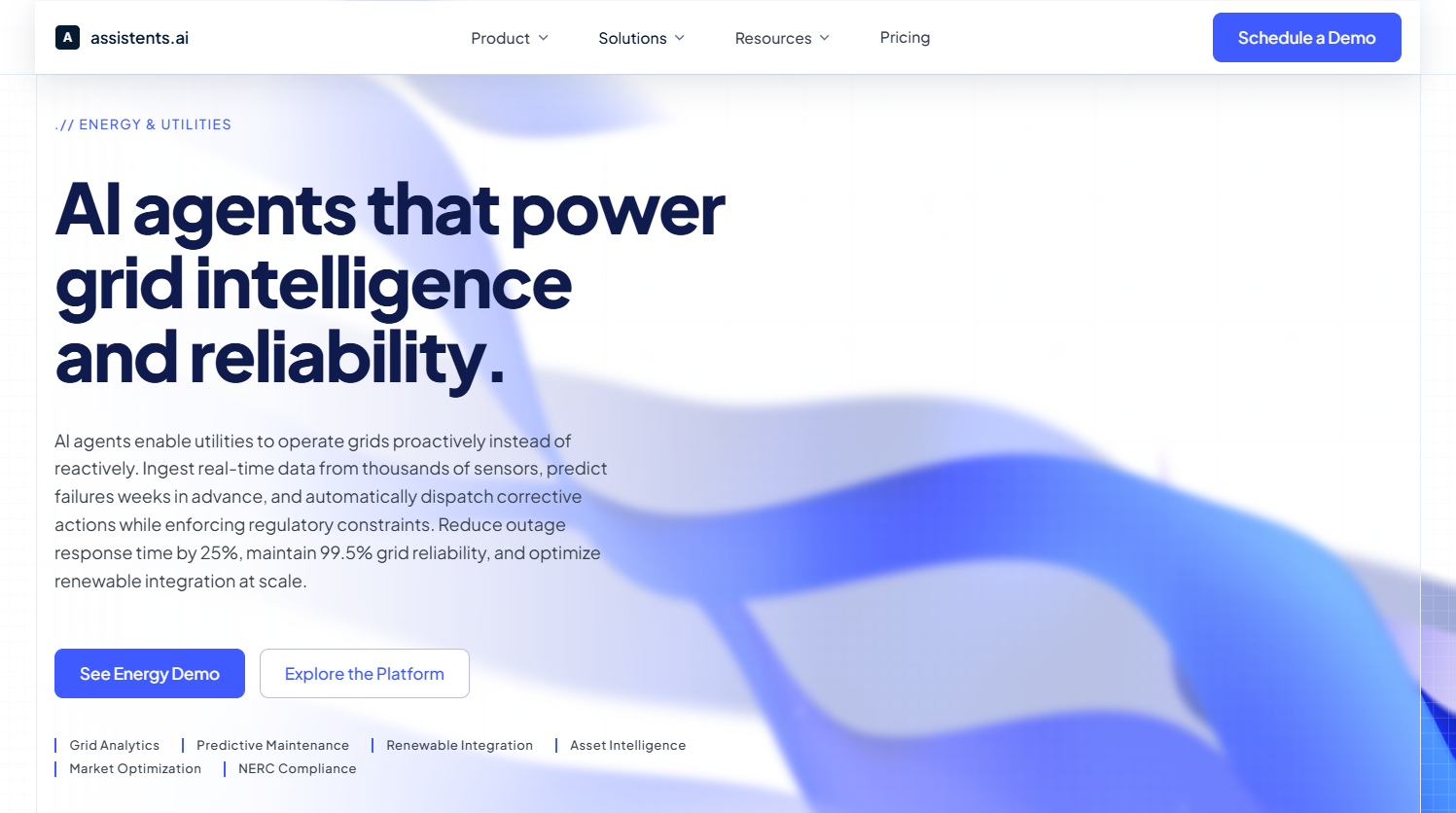
Two separate energy sector deployments illustrate the range of the Assistents platform in infrastructure-critical environments.
In one deployment for a research institution with campus-scale operations, Ampcome built an AI system for energy management — ingesting utility and sensor data, detecting anomalies, generating forecasting and optimisation recommendations, and delivering proactive alerting dashboards. The result was improved energy visibility, faster detection of consumption inefficiencies, and more predictable operations through early alerting.
In a second deployment for a state power transmission utility responsible for grid operations across a region, Ampcome built an AI analytics system for smart grid operations — ingesting transmission data, running predictive analytics for outages and field losses, automating alert routing for resolution workflows, and generating operational dashboards for leadership. Results included higher operational visibility across grid operations, faster exception detection and response coordination, and more proactive grid management through continuous monitoring.
Neither of these deployments is automatable with RPA. They require real-time data ingestion, predictive modelling, anomaly detection, and proactive alerting — capabilities that belong to an AI-native platform, not a task automation tool.
Cost Model Comparison
The licensing economics of Assistents and UiPath differ significantly, and the gap widens at enterprise scale.
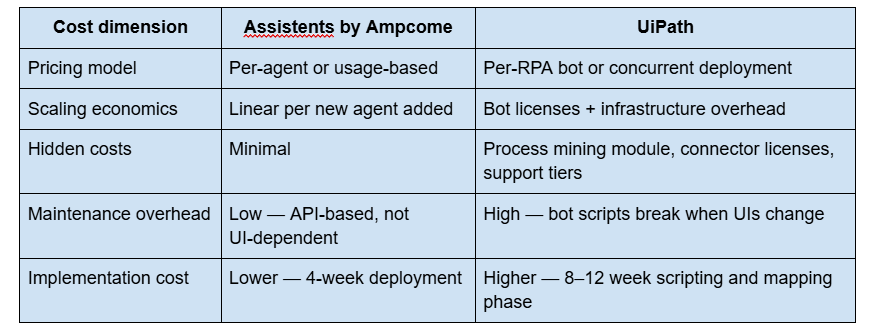
The structural cost advantage of an API-first agentic platform compounds over time. RPA programmes accumulate maintenance debt: every application update, every UI refresh, every process change requires a bot script to be rewritten or repaired. AI agents that operate via APIs are insulated from interface changes — the API contract is stable even when the application's front end changes.
At scale — 50 automated workflows, 200 store locations, 10 integrated enterprise systems — the maintenance overhead difference between an RPA programme and an agentic platform becomes a material cost line.
Which Platform Is Right for Your Enterprise?
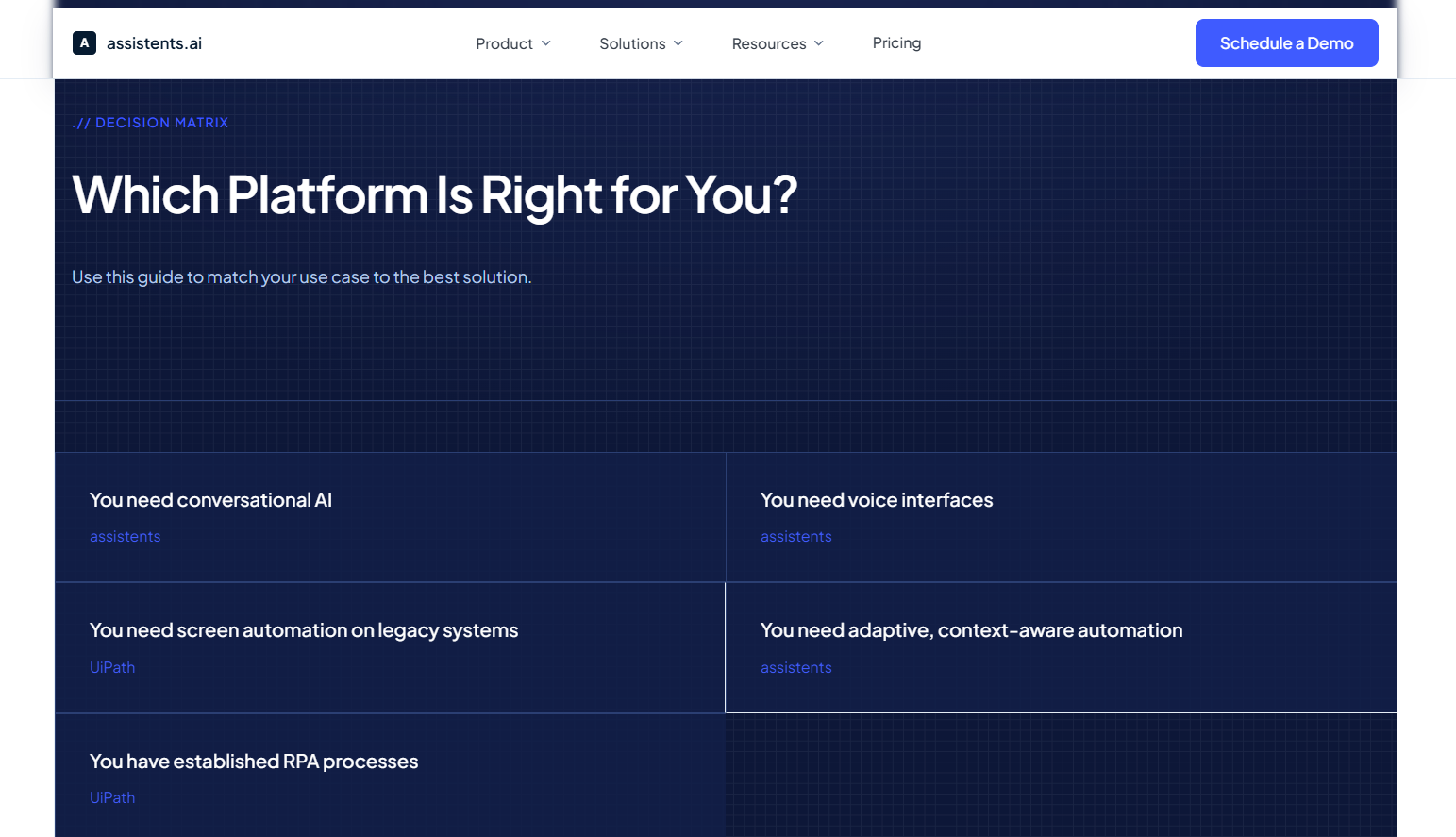
Use this decision framework to match your situation to the right platform.
Choose Assistents by Ampcome if:
- Your workflows require contextual reasoning, exception handling, or multi-step decision-making
- You need conversational AI — chat or voice interfaces — integrated into your automation layer
- Your systems are accessible via API (SAP, Salesforce, ServiceNow, Oracle, Microsoft 365, and 295+ others)
- You need multi-language support, including voice, for distributed teams
- You operate in a regulated industry and need a semantic governance and audit layer
- Your deployment timeline matters — you need automation in production in weeks, not quarters
- You are modernising away from legacy document platforms or end-of-life RPA scripts
- You need automation that spans supply chain, finance, customer support, HR, and compliance in a single governed platform
Choose UiPath if:
- Your workflows are fixed, linear, and will not change frequently
- You have legacy enterprise systems with no API that must be automated via screen interaction
- Your organisation already has a mature RPA programme and you are optimising within that paradigm
- Your automation scope is narrowly focused on repetitive, rule-based task execution
If you have a mixed environment — some legacy screen-based processes alongside modern API-accessible systems — the pragmatic path is to identify which workflows can be migrated to an agentic architecture now and build a transition roadmap. In most enterprise environments, the legacy screen-scraping requirement is shrinking as systems modernise. The RPA debt you take on today is debt you will retire in 12–24 months anyway.
Final Verdict
The enterprise automation market in 2026 is not a debate between RPA and AI agents as theoretical paradigms. It is a practical question of which architecture serves the workflows your organisation actually runs — and which platform can deploy, govern, and scale that automation without accumulating technical debt.
Assistents by Ampcome is built for the enterprise workflows that define operational efficiency in 2026: cross-system reasoning, voice and conversational interfaces, exception handling, multilingual support, and semantic governance with full audit trails. The case studies above — spanning SAP automation in manufacturing, analytics consolidation in global logistics, national-scale retail agents, regulated financial services, and smart grid operations — represent the breadth of what the platform has delivered in production.
UiPath remains a mature tool for fixed, screen-based, legacy-dependent automation. For everything else — which is most of what modern enterprises actually need — the AI-native architecture wins.
Ready to see what Assistents by Ampcome can do for your operations?
- Compare Assistents vs UiPath in detail →
- Calculate your AI agent ROI →
- Schedule a demo →
- Read the AI Agents vs RPA guide →
FAQ
What is the difference between Assistents.ai and UiPath?
Assistents by Ampcome is an AI-native agent platform that uses contextual reasoning, large language models, and a semantic knowledge graph to automate complex enterprise workflows — including conversational and voice interfaces. UiPath is a robotic process automation platform that automates workflows by scripting human screen interactions. The core architectural difference is reasoning vs scripting: Assistents agents adapt to variation; UiPath bots fail when processes deviate.
Can AI agents replace RPA in enterprise operations?
For most modern enterprise workflows, yes. AI agents handle exception-heavy, multi-system, and conversational workflows that RPA cannot. The only scenarios where RPA retains an advantage are workflows that require legacy screen automation for systems with no API access. As enterprise systems modernise and API access becomes standard, the RPA use case continues to shrink.
Which is better for manufacturing automation — AI agents or UiPath RPA?
For manufacturing workflows involving SAP order processing, supplier communication, document intelligence, and operational alerting, AI-native agents deliver meaningfully better outcomes. Ampcome has deployed agentic SAP sales order automation that replaced a legacy end-of-life document workflow platform, delivering faster order cycles, fewer data entry errors, and full audit trails — without the screen-scraping fragility of RPA.
Is Assistents by Ampcome an AI development company in India?
Ampcome is an India-headquartered enterprise AI development company and the creator of the Assistents agentic AI platform. Ampcome has delivered AI agent deployments for enterprises across India, the UAE, the UK, the US, and Australia — spanning logistics, manufacturing, retail, financial services, energy, real estate, and healthcare.
How long does it take to deploy Assistents vs UiPath?
Assistents by Ampcome reaches production in approximately 4 weeks for standard enterprise deployments. UiPath implementations typically run 8–12 weeks due to the process mapping, screen recording, and bot scripting phases required. The Assistents API-first architecture eliminates these phases.
What industries use AI agents instead of RPA?
Financial services, manufacturing, logistics and supply chain, retail, energy and utilities, healthcare, and real estate are the industries where AI agent adoption is accelerating fastest. These are environments where workflows involve unstructured data, exception handling, compliance requirements, and multi-system orchestration — all areas where RPA architectures are structurally limited.
How does Assistents handle SAP integration without screen scraping?
Assistents connects to SAP natively via API, reading and writing data directly to SAP tables and modules — including sales order creation, purchase order validation, and master data queries — without any dependency on SAP's user interface. This means the integration is stable across SAP updates and does not require bot script maintenance when the UI changes.

Transform Your Business With Agentic Automation
Agentic automation is the rising star posied to overtake RPA and bring about a new wave of intelligent automation. Explore the core concepts of agentic automation, how it works, real-life examples and strategies for a successful implementation in this ebook.
Sarfraz Nawaz is the CEO and founder of Ampcome, which is at the forefront of Artificial Intelligence (AI) Development. Nawaz's passion for technology is matched by his commitment to creating solutions that drive real-world results. Under his leadership, Ampcome's team of talented engineers and developers craft innovative IT solutions that empower businesses to thrive in the ever-evolving technological landscape.Ampcome's success is a testament to Nawaz's dedication to excellence and his unwavering belief in the transformative power of technology.

More insights
Discover the latest trends, best practices, and expert opinions that can reshape your perspective






.png)
Contact us

